
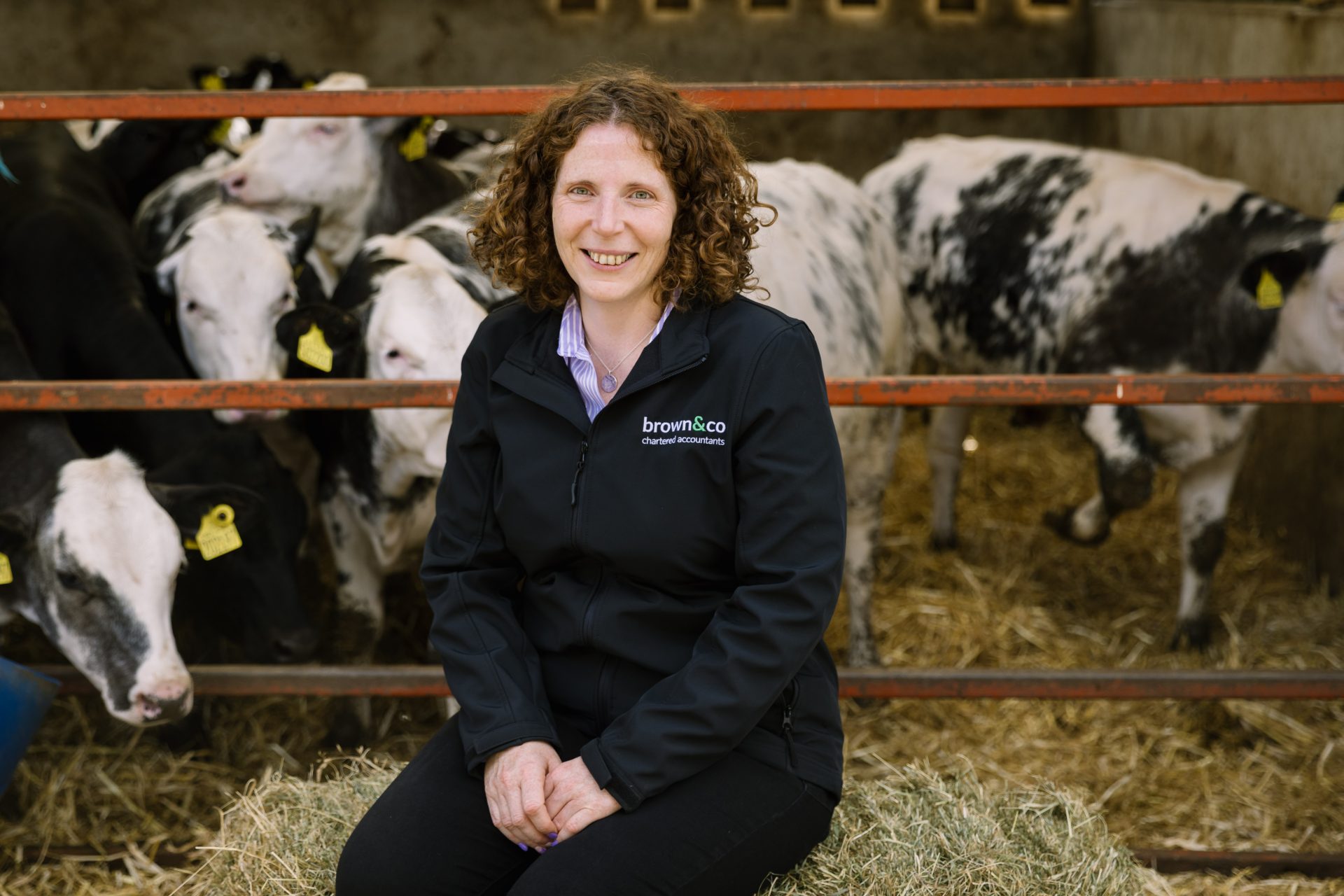
Sarah Barnes, agricultural specialist at Brown & Co, explains some of the key tax planning opportunities available to farming businesses
Effective tax planning can play an important role in supporting the long-term success of your farm. Understanding the reliefs and allowances available can help reduce tax liabilities, improve cashflow and free up funds for future investment.
There are several legitimate ways that farmers can reduce their Income Tax bill. Some of these apply to anybody who’s self-employed and some apply particularly to farmers.
Many farming businesses operate from the farmhouse, meaning a proportion of certain household costs can potentially be claimed as business expenses, where they relate to the running of the farm.
The proportion is based on your circumstances. For electricity, you might say a third of the bill is for business use and two-thirds private.
But sometimes the whole farm including the farmhouse will be on one meter. For example, in businesses with significant electricity consumption, such as dairy farms, the proportion should be calculated appropriately so it’s relevant for the actual use.
We advise farmers to make full use of any available loss reliefs. Farming incomes can fluctuate significantly due to factors such as weather conditions, market prices and disease outbreaks.
Where a farming business makes a loss, it is important to consider which loss relief options are available and how they can be used most effectively.
Profit averaging can be a useful tool for farming businesses if their profits have varied significantly from year to year.
By smoothing out fluctuations in income, averaging may reduce future tax liabilities or offset previous profits, and help manage cashflow more effectively. Depending on the circumstances, farmers may be able to use either two-year or five-year profit averaging provisions.
Make sure you claim capital allowances on machinery and equipment – and make sure you buy it at the right time. We often do profit estimates for clients in February, before the financial year ends in early April.
Timing investment in machinery and equipment can impact on a business’s tax position. Reviewing expected profits before the financial year-end can help identify opportunities to make planned investments while maximising available capital allowances.
Investment decisions should always be driven by business need rather than tax savings alone. Getting advice before making significant purchases can help ensure the expected tax benefits are available and meet with the wider goals of the business.
Pension contributions can provide both immediate tax advantages and longer-term financial security. For many farmers, pensions remain one of the most effective ways to reduce taxable income while investing in the future.
When reviewing farm accounts with clients, we often find opportunities that have been overlooked simply because people are busy dealing with the day-to-day running of the farm. Taking time to review your figures before the year-end can often make a big difference.
Tax planning checklist for farmers
Before the end of the financial year, consider:
- Reviewing projected profits with your accountant
- Checking whether all eligible farm expenses have been identified
- Assessing whether loss relief or profit averaging could apply
- Reviewing planned machinery and equipment purchases
- Considering pension contributions before the year-end deadline
- Ensuring claims for farmhouse business use remain appropriate and up to date
Need advice on tax planning?
For tailored advice on tax planning contact Brown & Co on 01539 721548 or email info@brownandco.uk.
Sarah Barnes is based at Brown & Co’s Kendal office. Sarah comes from a Cumbrian farming background and has extensive experience supporting farming and rural businesses across Cumbria, Lancashire and the Yorkshire Dales. Her first-hand understanding of the agricultural sector, combined with strong financial expertise, enables her to provide practical advice tailored to the realities of modern farming.