
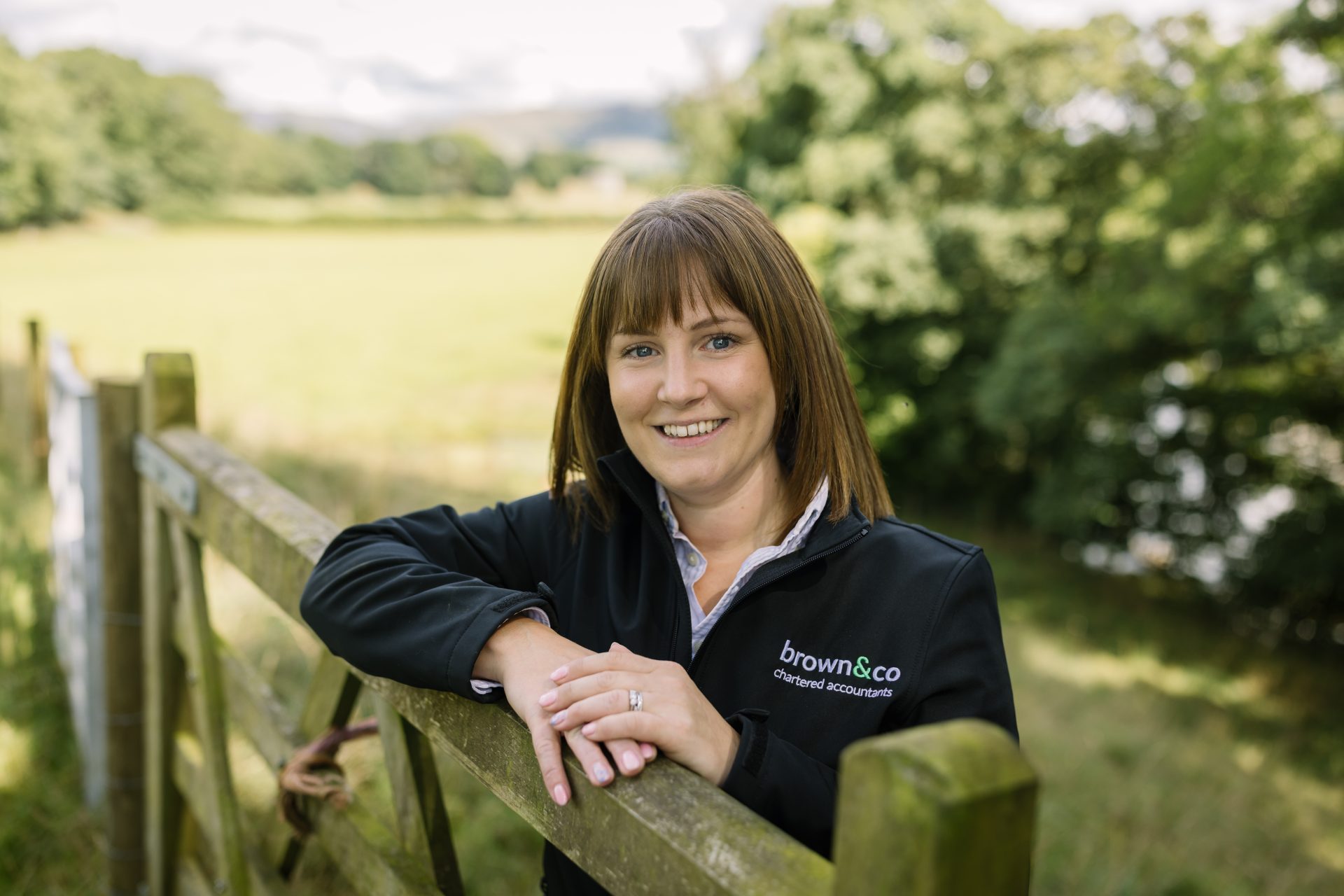
Emma Hayes, agricultural specialist at Brown & Co, explains the latest Making Tax Digital requirements and what farming businesses should be doing now
Making Tax Digital (MTD) is one of the biggest changes to the UK tax system in recent years. While many farmers will already be aware of it, there is still uncertainty about who it affects, when the rules apply and what practical steps businesses should take to prepare.
MTD is an initiative introduced by HMRC to modernise tax reporting and encourage digital record keeping. It aims to improve the accuracy of tax returns by requiring businesses and landlords to maintain digital records and submit information electronically.
While MTD is a legal requirement for some taxpayers, many businesses are also finding wider benefits from moving to digital record keeping. Having up-to-date financial information can help improve cashflow management, support better decision-making, and provide a clearer year-round picture of how your business is doing.
Who does MTD apply to?
MTD for Income Tax was introduced in April 2026 and currently applies to self-employed individuals and landlords with qualifying business or property income exceeding £50,000 per year.
For many farming businesses, this distinction is important. A significant number of farms operate as partnerships rather than sole traders. MTD does not currently apply to partnerships, although HMRC has indicated that partnerships could be included in the future.
For those who are affected, the rules require four quarterly updates to be submitted each year, followed by a final year-end declaration. At present, MTD changes how information is reported to HMRC rather than how tax is paid.
The scope of MTD will continue to expand over the coming years. From April 2027, the income threshold will reduce to £30,000, and from April 2028 it will reduce again to £20,000. As a result, many more farming businesses and landlords will be affected in the future.
Preparing for MTD
Every farming business operates differently, which means there is no single approach that works for everyone.
Some clients prefer to keep their own digital records and submit quarterly updates themselves, with professional support provided at year-end by their accountant. Others choose to receive training and support to help them use HMRC-compatible accounting software such as Xero, with more input from our team throughout the year.
Some businesses prefer to let their accountant handle the whole process, with all the compliance requirements managed on their behalf.
Whatever approach clients take, we always recommend professional support with the year-end declaration to ensure that income, expenses, capital allowances and other reliefs are reported correctly.
We’ve had great feedback from clients who have recently adopted digital software. They say it reduces the time spent dealing with paperwork and on admin tasks while making it easier to keep track of what’s happening in the business.
Why it’s worth planning ahead
HMRC has adopted a light-touch approach to certain penalties during the first year of MTD implementation, giving businesses time to adapt to the new requirements. However, future entrants may not have the same adjustment period available to them.
The key is to plan ahead. Reviewing your current record-keeping systems, choosing the right software and getting advice early can make the transition much smoother and help avoid unnecessary complications.
Farming businesses already face enough demands on their time. Whether you want to manage your own submissions, receive training on accounting software or outsource the process entirely, we can provide a solution that suits your business. The important thing is to start planning now, so you’re ready when the new requirements apply.
The sooner the right systems are in place, the smoother the transition will be. The right advice can help avoid costly mistakes and ensure records remain accurate and compliant.
What should farmers be doing now?
- Check whether MTD currently applies to your business or is likely to apply in the coming years
- Review how you currently keep records
- Consider whether digital accounting software could save time and improve visibility of finances
- Speak to your accountant to ensure everything is set up correctly
- Allow enough time for software training and registration
Need advice on Making Tax Digital?
For tailored advice on Making Tax Digital and digital record keeping, contact Brown & Co on 01539 721548 or email info@brownandco.uk.
Emma Hayes is based at Brown & Co’s Kendal office. Emma comes from a Cumbrian farming background and has extensive experience supporting farming and rural businesses across Cumbria, Lancashire and the Yorkshire Dales. Her first-hand understanding of the agricultural sector, combined with strong financial expertise, enables her to provide practical advice tailored to the realities of modern farming.